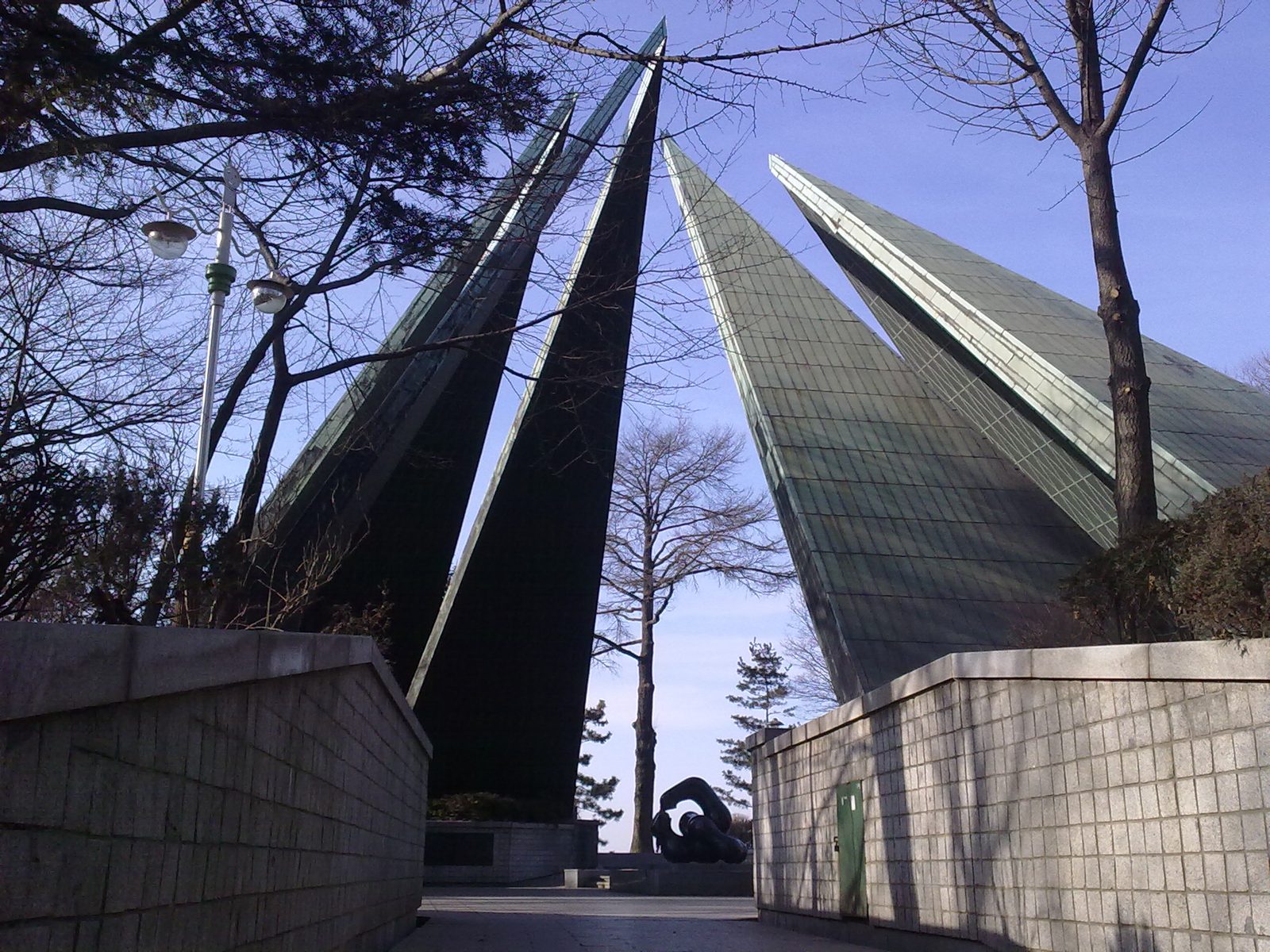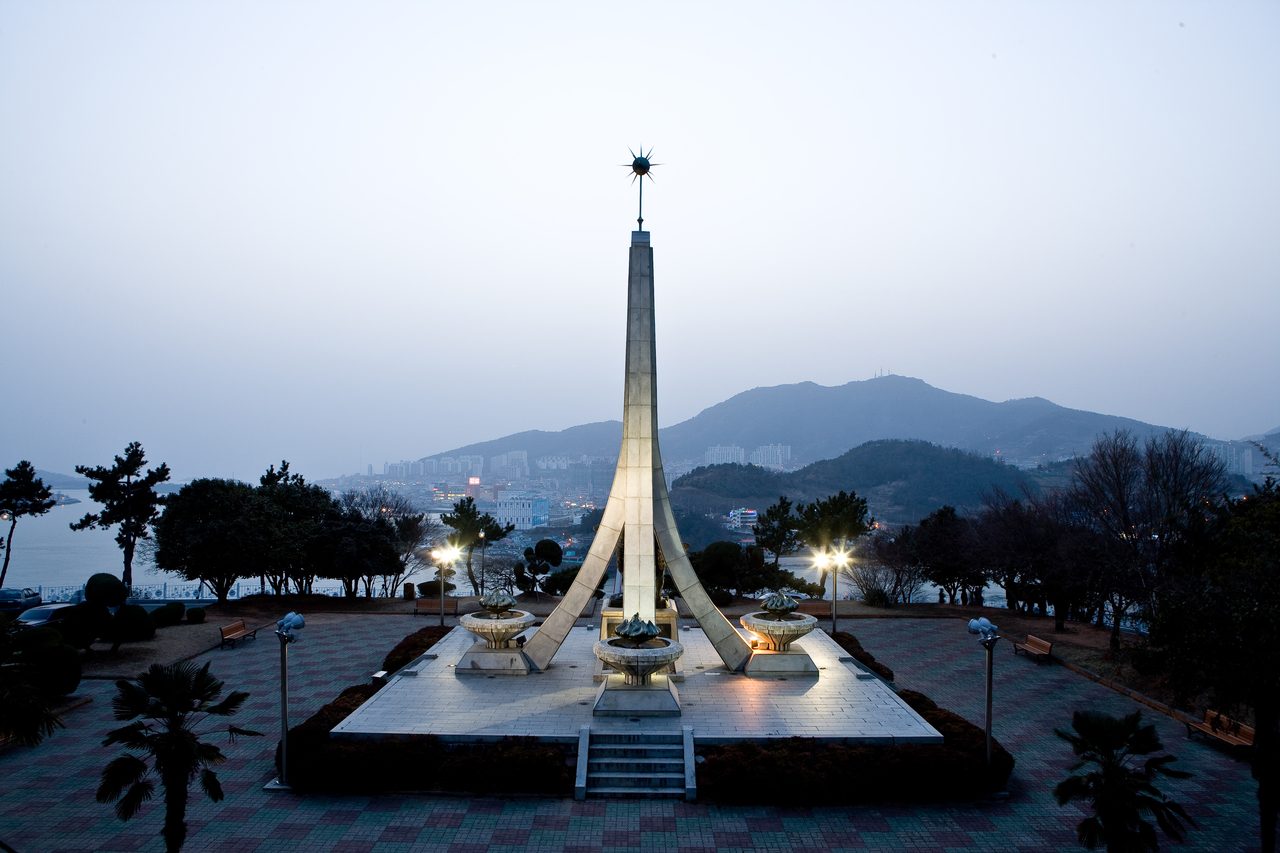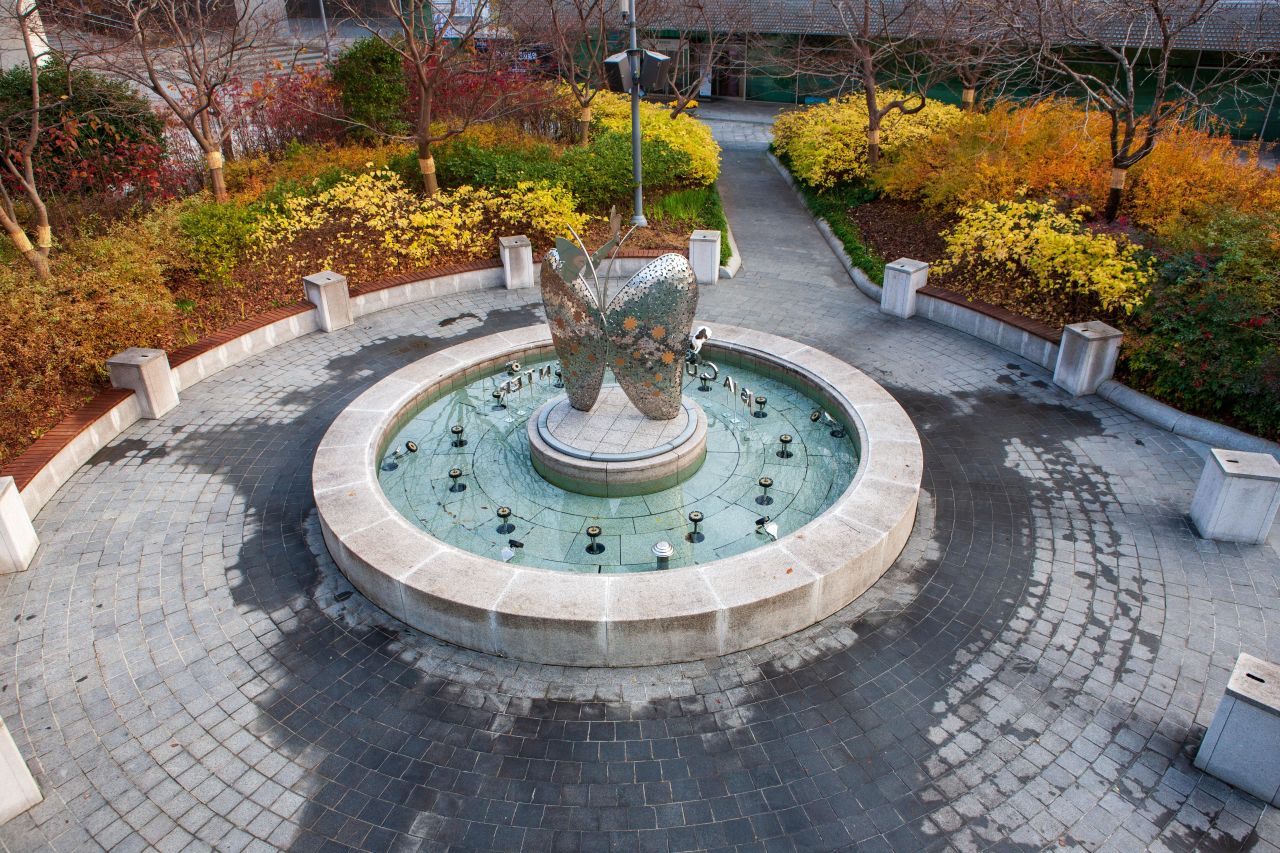
5.18 Democracy Square
5.18 민주광장In May 1980, 5.
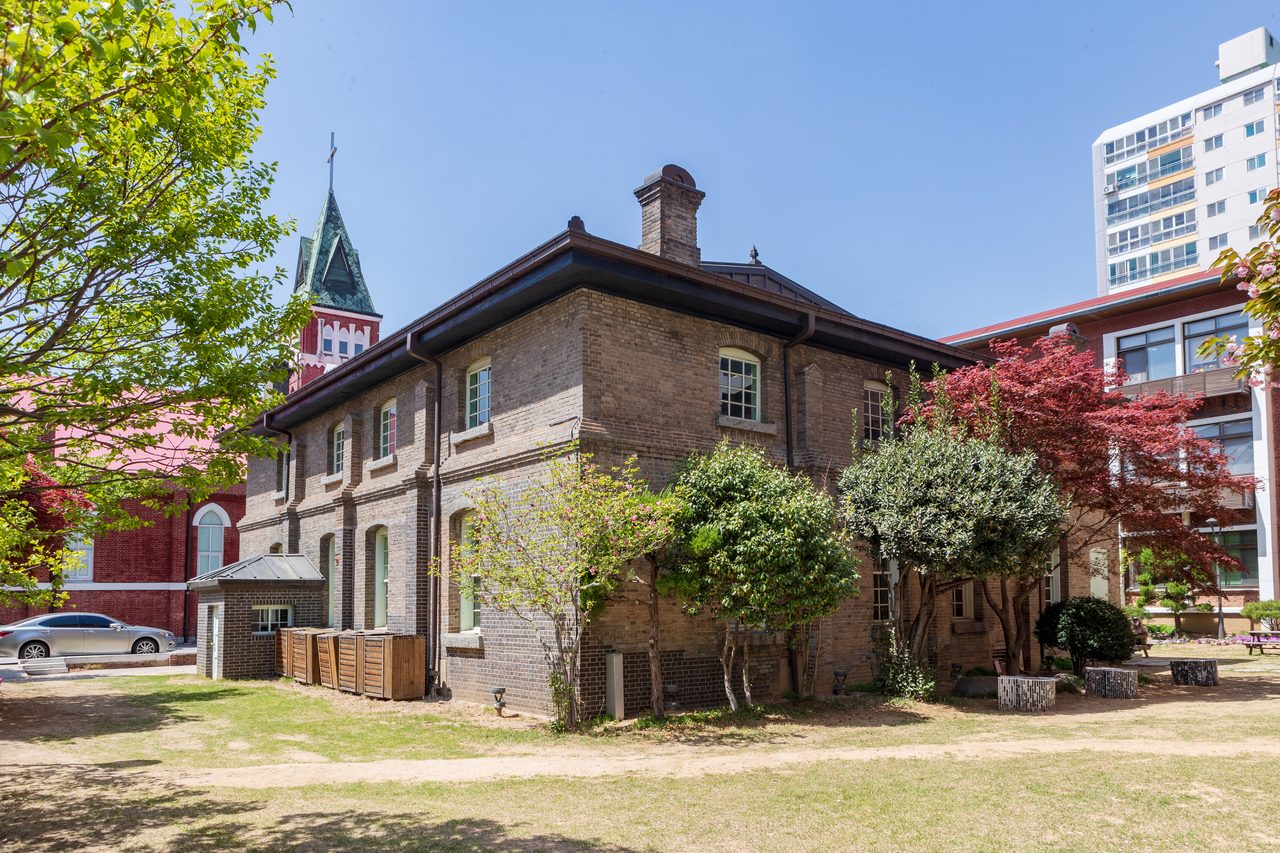
Yangnim-dong Modern History & Culture Village
양림동 근대역사문화마을Yangnim-dong Modern History & Culture Village in Gwangju is the birthplace of Gwangju's modernization, where missionaries from the Presbyterian Church in the United States settled in 1904.
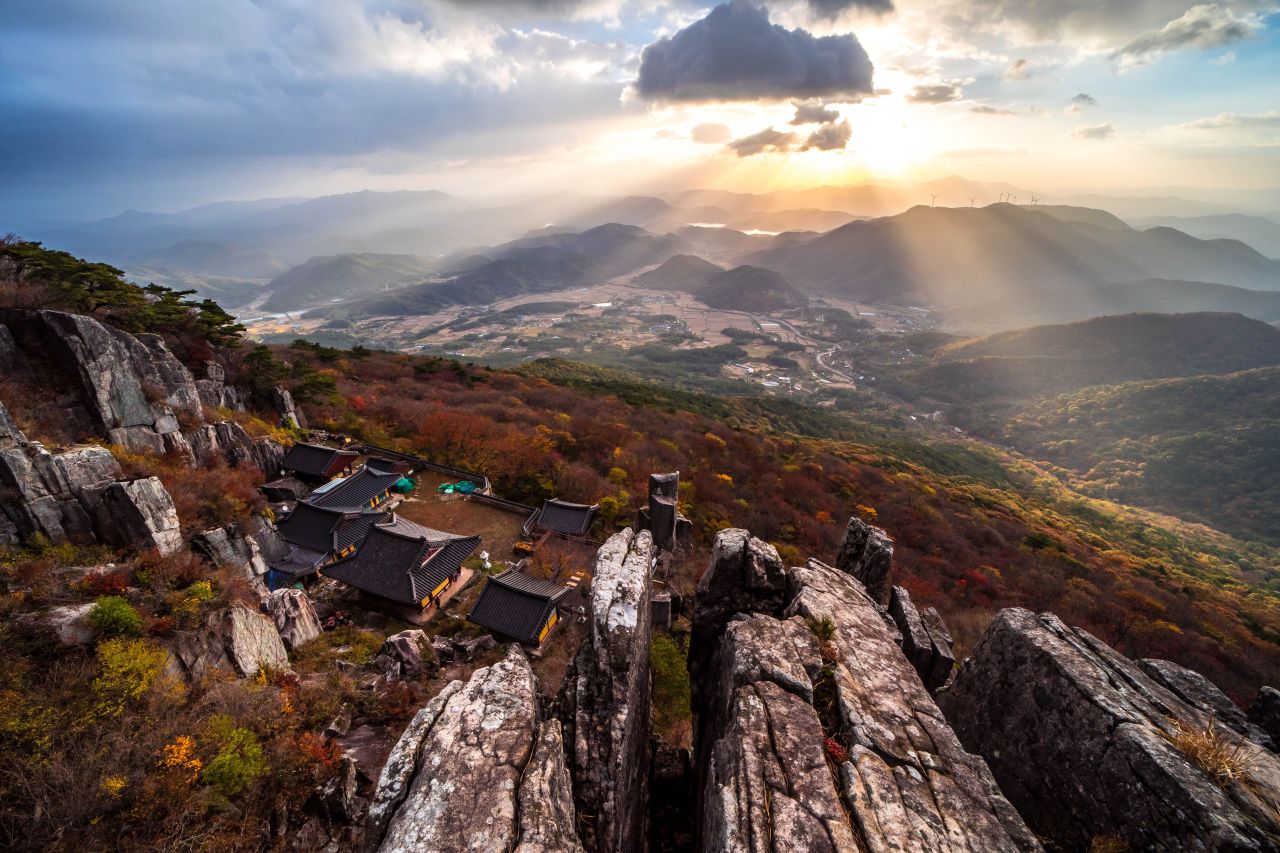
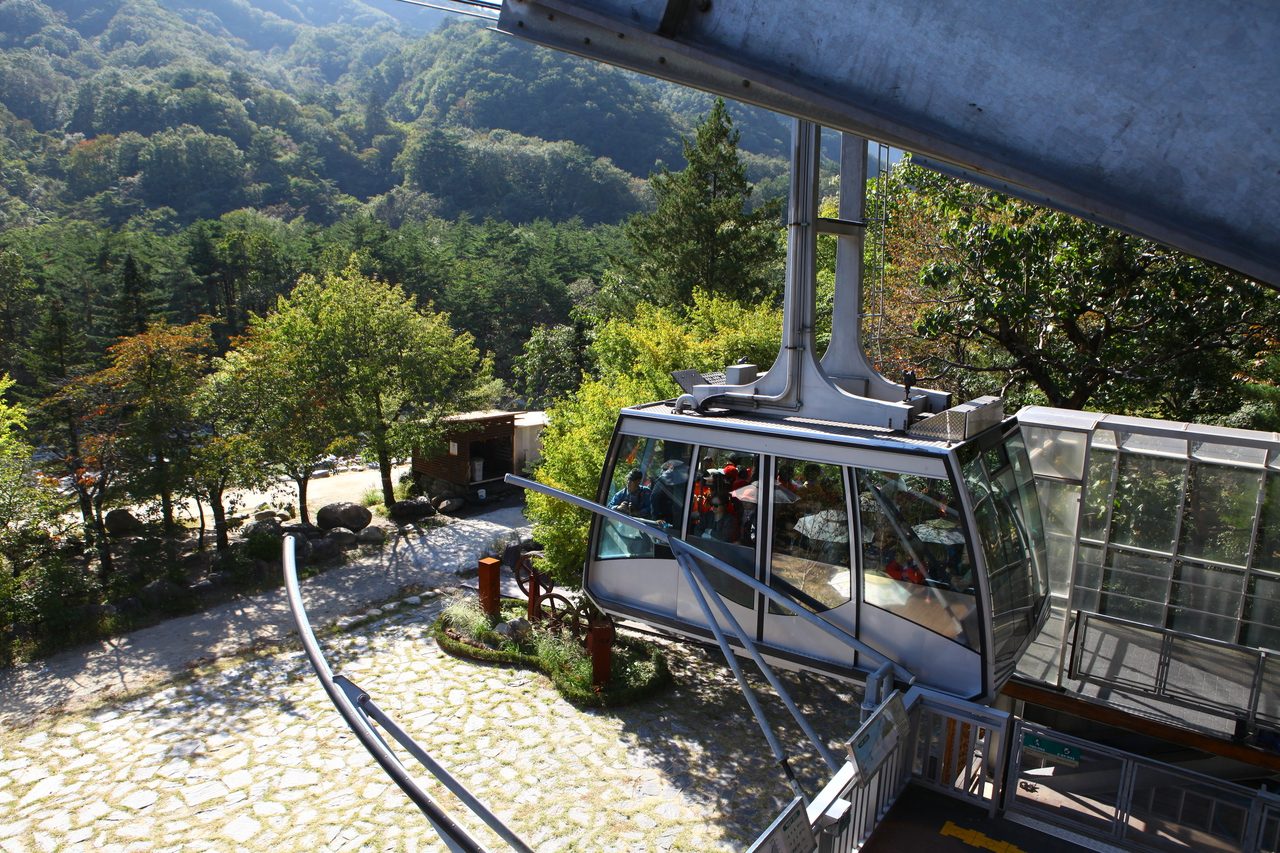
Mudeungsan National Park
무등산 국립공원Called the guardian mountain of Gwangju and Jeonnam, Mudeungsan National Park carries the meaning of 'a mountain so noble that it cannot be graded', and was designated as a national park in 2013.
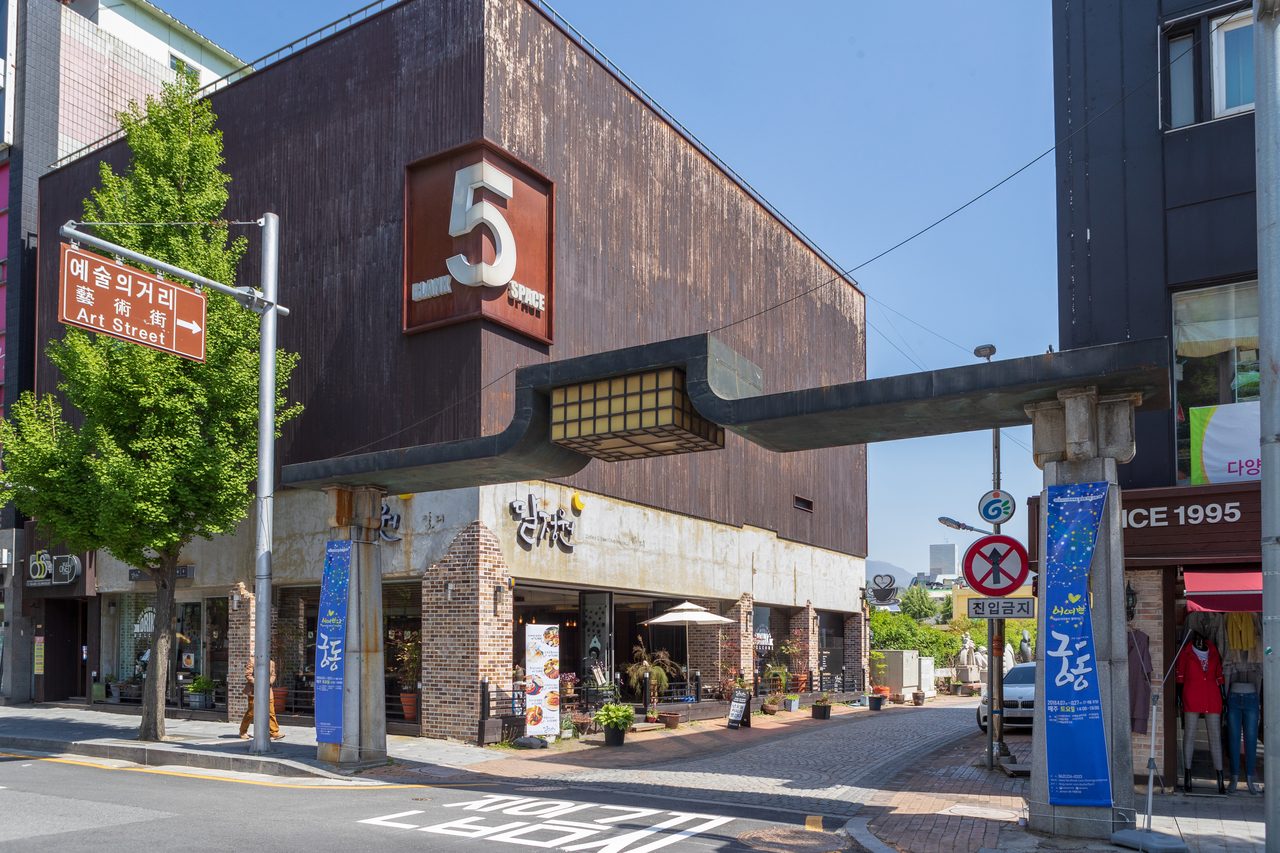
Gwangju Art Street
광주 예술의 거리Continuing the tradition of Gwangju, a city of art, Gwangju Art Street is a place that formed naturally as galleries and framing shops gathered from the mid-1970s.
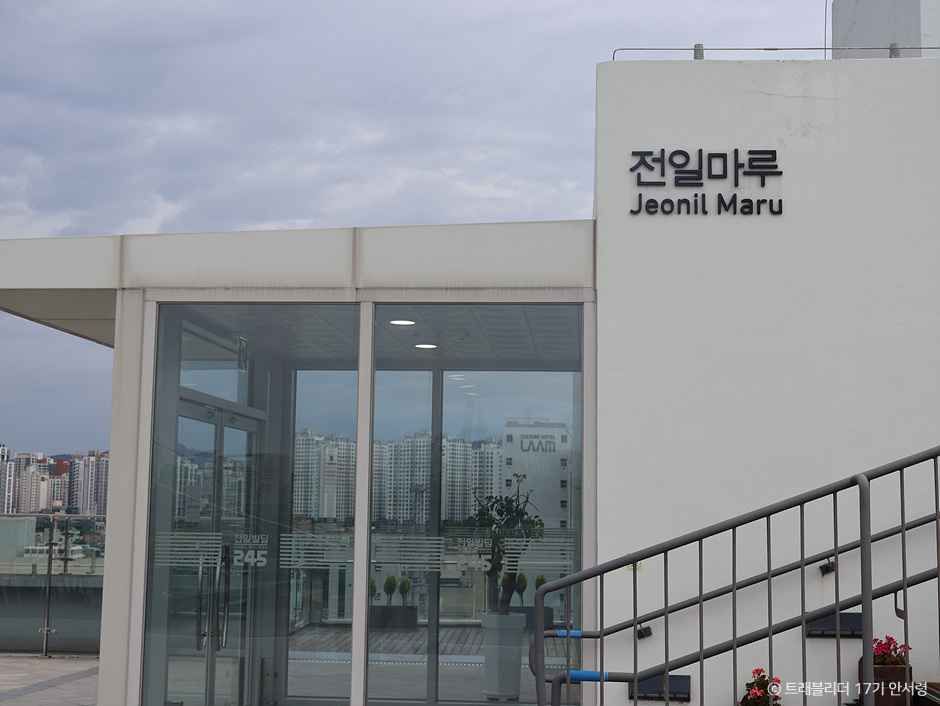
Jeonil Building 245
전일빌딩245Standing tall in downtown Gwangju, Jeonil Building 245 was built in 1968 as the tallest building in Gwangju, serving as a regional landmark.
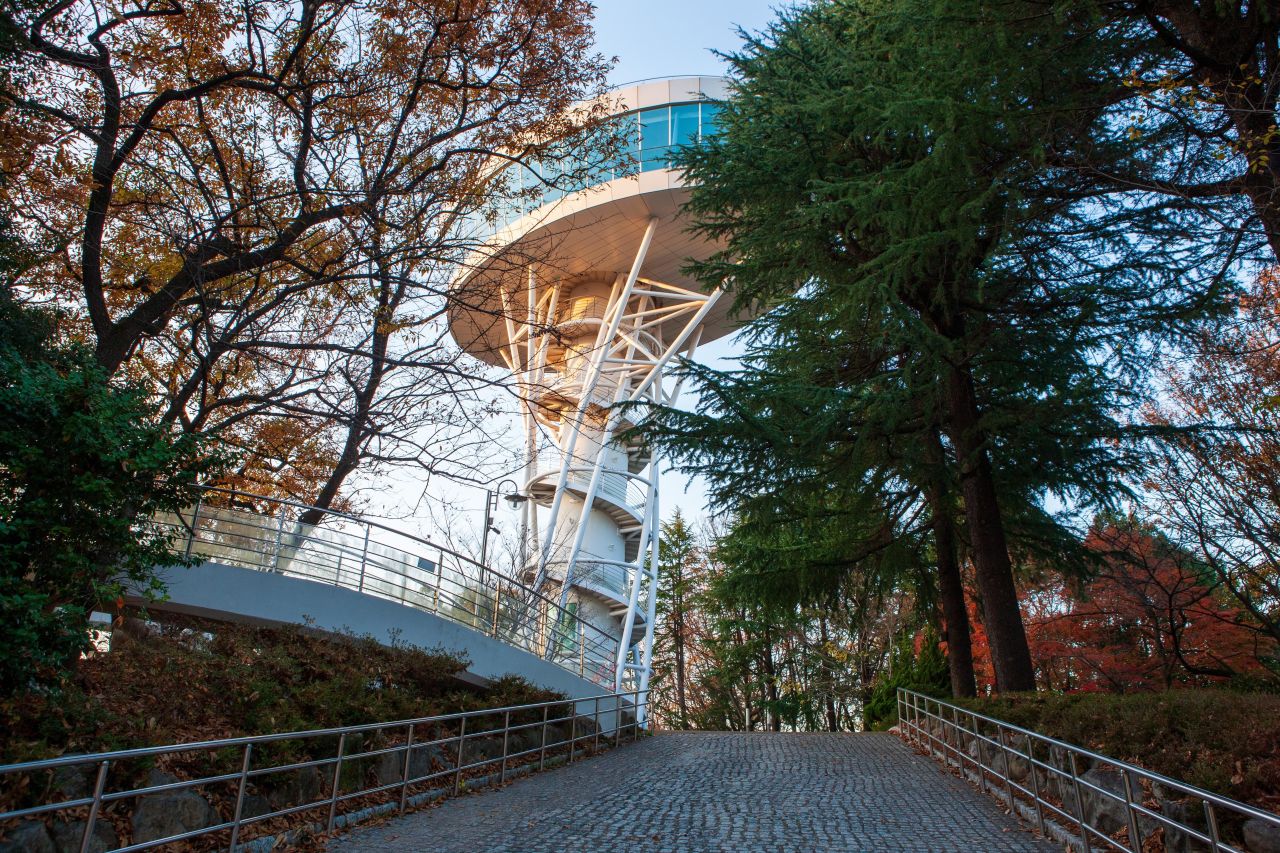
Sajik Park Observatory Tower
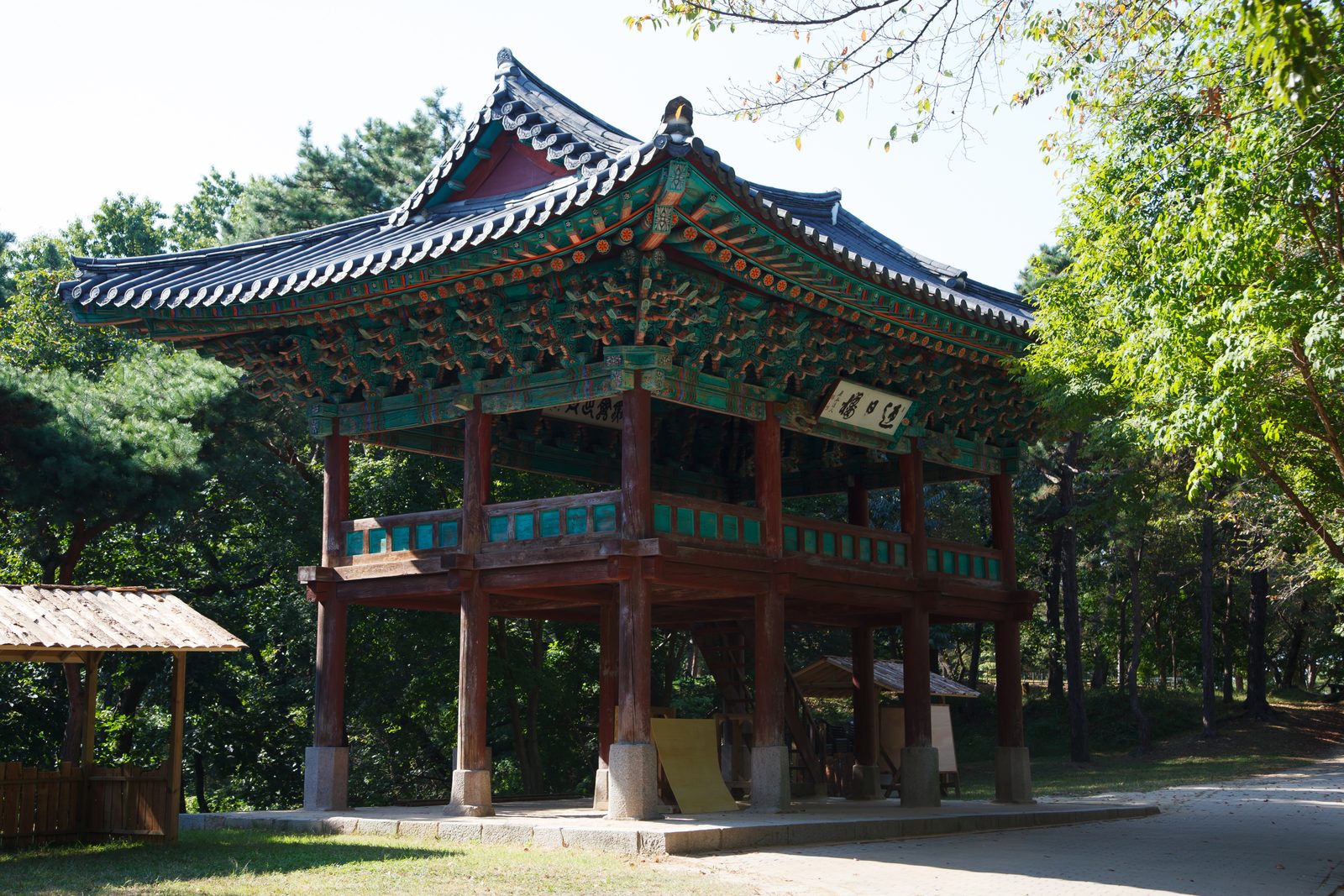
사직공원 전망타워Gwangju Sajik Park Observatory Tower is located on a historic site where the Sheji altar originally stood to pray for the peace of the country and an abundant harvest.