More Places
Jeonju Pungpaejigwan Guesthouse is a Joseon dynasty accommodation where officials and envoys visiting Jeonju were entertained and housed, and it is designated as Treasure No.
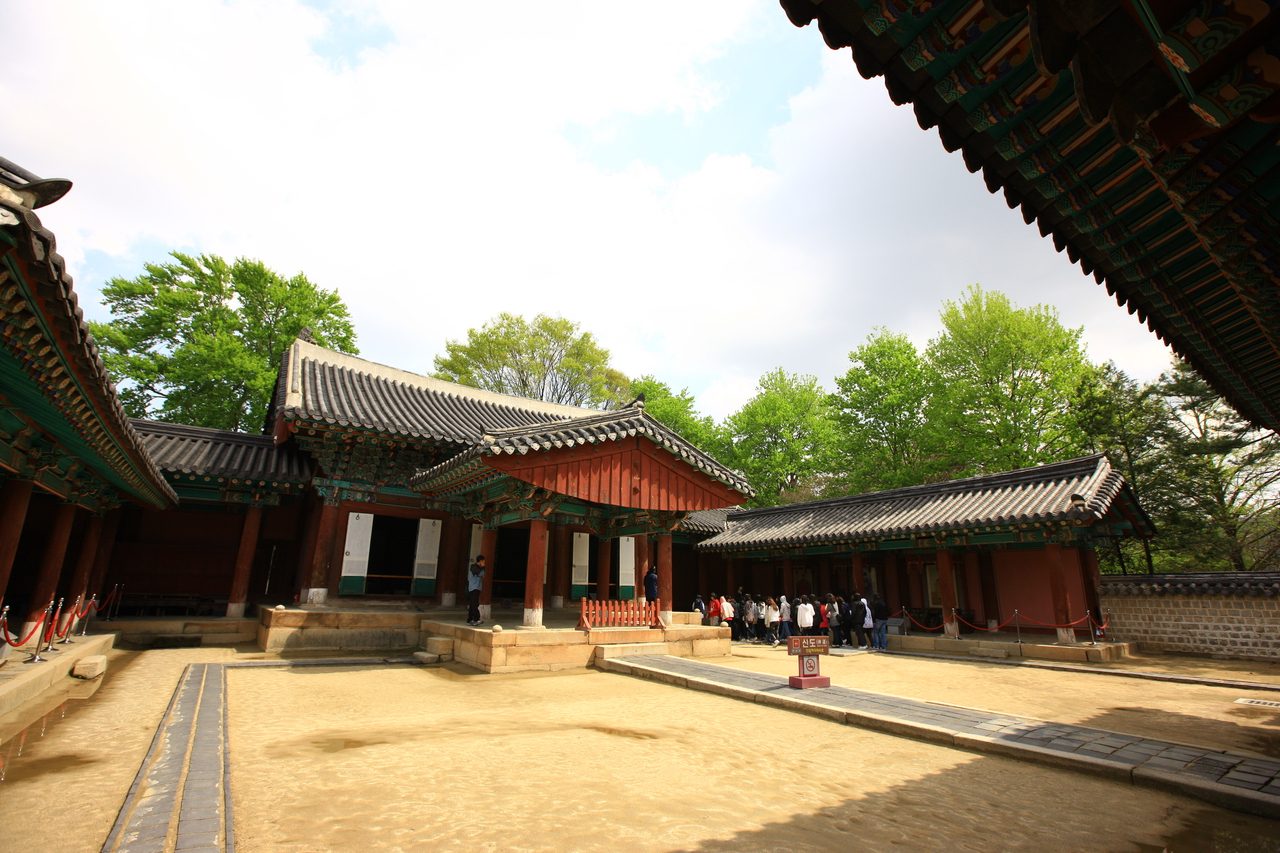
Jeonju Pungpaejigwan Guesthouse is a Joseon dynasty accommodation where officials and envoys visiting Jeonju were entertained and housed, and it is designated as Treasure No. 583. During the Joseon dynasty, ceremonies paying respect to the palace were held on the first and fifteenth of every month, and congratulatory rituals were performed during auspicious national events.
The buildings here consist of the main hall, which housed the wooden tablet symbolizing the king, and the wing buildings used as lodgings. The massive signboard reading Pungpaejigwan under the eaves of the main hall demonstrates the high status of the Jeonju guesthouse. Pungpae originates from the hometown of Liu Bang, who founded the Han dynasty, and refers to the hometown of a nation's founder.
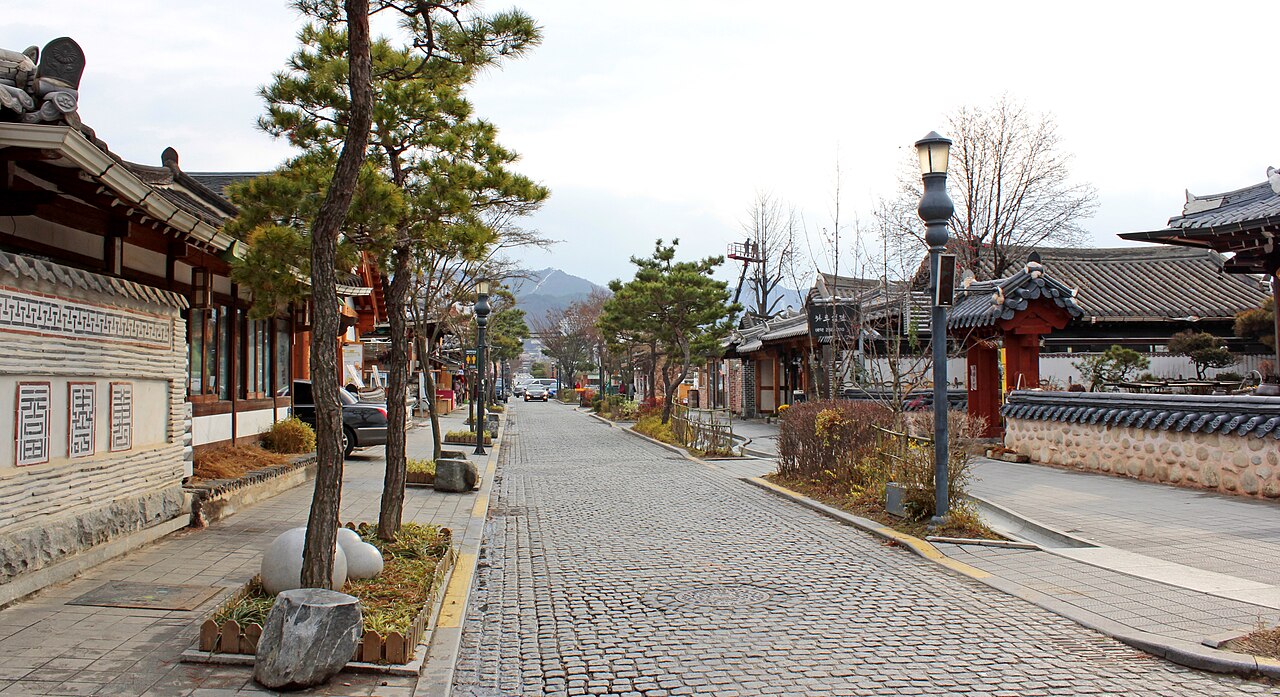
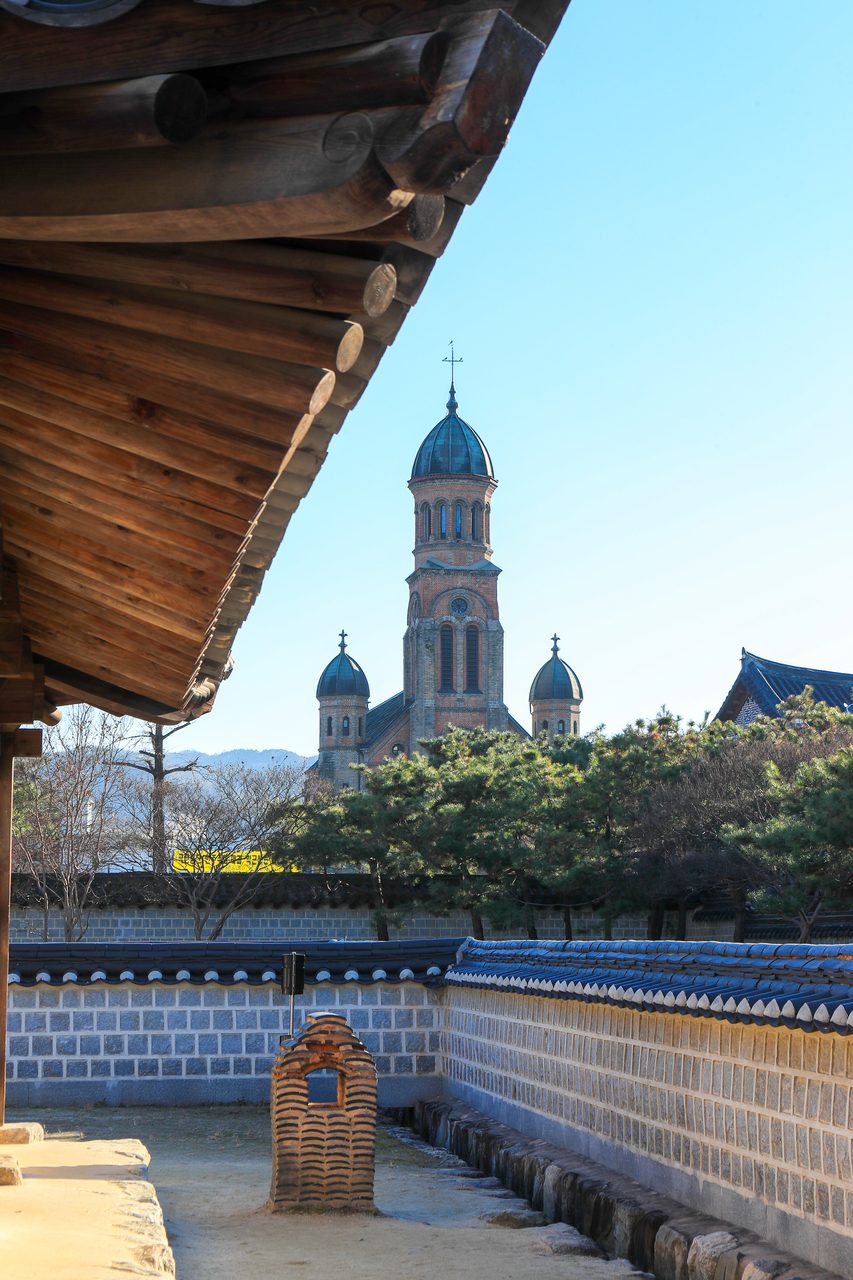
Because Jeonju is the hometown of Lee Seong-gye, who founded Joseon, it is called Pungpae Jihyang, and the Jeonju guesthouse is called Pungpaejigwan Guesthouse. Today, it serves as a wonderful resting place to sit and relax on its long and wide wooden floors, and has been a popular meeting spot for Jeonju citizens for decades. Top Jeonju attractions such as Jeondong Catholic Cathedral, Omokdae, Jaman Mural Village, and the Hanok Village are just 10 minutes away, making it easy to also explore Gaengnidan-gil, which is lined with various great restaurants and cafes.
5 stories · about 7 min